How to Handle Preschool Tantrums: Simple Strategies That Actually Work
Preschool tantrums are a normal part of childhood, but they can be stressful for parents. Understanding why tantrums happen and knowing how to respond calmly can make a big difference. This guide gives simple, practical strategies to handle preschool tantrums effectively.
Why Preschoolers Have Tantrums
Preschoolers often experience big emotions they can’t yet express with words. Common triggers include:
- Frustration or inability to communicate
- Tiredness or hunger
- Changes in routine
- Seeking attention
- Struggling to share or take turns
Recognizing the cause of the tantrum can help you respond in a way that teaches your child how to manage emotions.
1. Stay Calm and Patient
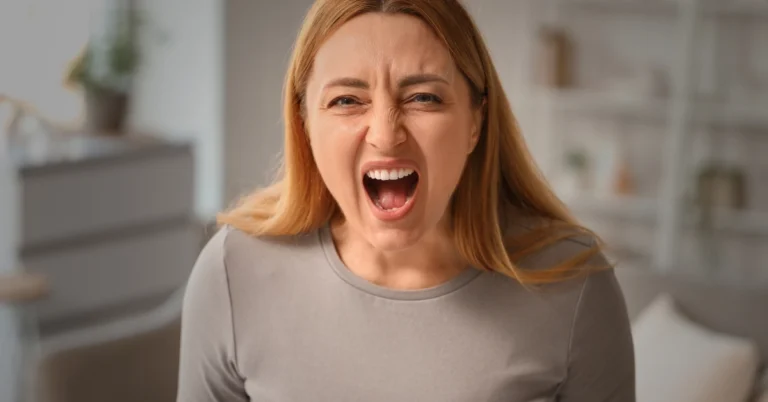
Your reaction sets the tone. If you stay calm, your child is more likely to calm down faster. Avoid yelling or punishment, which can escalate the tantrum. Take deep breaths and speak in a soft, reassuring voice.
Tip: Count slowly to ten or step back for a moment if needed. Children often mirror your emotions.
2. Validate Your Child’s Feelings
Even if the behavior isn’t acceptable, the feelings are real. Saying things like, “I see you’re upset because you can’t have that toy,” shows empathy. This helps your child feel understood and reduces emotional intensity.
3. Offer Choices When Possible
Giving preschoolers small choices gives them a sense of control and can prevent tantrums. For example:
- “Do you want to wear the red shirt or the blue shirt?”
- “Do you want to brush your teeth first or put on pajamas first?”
Choices can reduce power struggles while teaching decision-making skills.
4. Distract or Redirect
Sometimes a simple distraction can stop a tantrum before it escalates. Offer an alternative activity or toy. Singing a song, reading a short book, or suggesting a game can shift their focus and calm them down.
5. Set Clear Limits and Stick to Them
Consistency is key. Preschoolers feel safer when they know the rules. State expectations calmly and follow through with consequences when necessary. Avoid giving in to tantrums just to stop them—it teaches your child that tantrums get results.
6. Use Positive Reinforcement
Praise calm behavior. Even small steps, like taking a deep breath or using words instead of crying, deserve recognition. Positive reinforcement encourages your child to practice emotional control.
7. Plan Ahead to Prevent Tantrums
Prevention is often easier than handling tantrums after they start. Strategies include:
- Keeping snacks and meals regular
- Ensuring enough sleep
- Giving warnings before transitions (“In five minutes, we will leave the playground”)
- Maintaining predictable routines
When to Seek Help
Most tantrums are normal, but consult a pediatrician or child psychologist if your child:
- Has extremely frequent or intense tantrums
- Hurts themselves or others during outbursts
- Struggles with emotional regulation despite consistent strategies
Final Thoughts
Handling preschool tantrums doesn’t have to be overwhelming. Staying calm, validating feelings, offering choices, and maintaining consistency can reduce tantrums over time. Remember, tantrums are a stage of development—your patience teaches your child how to manage emotions for life.
Don’t miss out! Be sure to subscribe to The Zinghoppers YouTube channel and Conductor Jack’s YouTube channel!