Brain Break Dance Song: Have You Ever Seen a Dinosaur Doing a Polka?
When preschoolers start to wiggle in their seats, lose focus, or need a quick energy reset, a brain break dance song can transform the moment. “Have You Ever Seen A Dinosaur Doing A Polka?” by The Zinghoppers combines silly imagery, repetitive movements, and catchy lyrics to help young learners refocus while building essential developmental skills.
Don’t miss out! Be sure to subscribe to The Zinghoppers YouTube channel and Conductor Jack’s YouTube channel!
Why This Brain Break Works
This song uses a cumulative pattern where each verse adds a new movement while repeating previous ones. Children stomp like a dinosaur, strum like a fish playing banjo, sway through a unicorn’s hula dance, and finish with a mermaid’s Oobie Doobie. This layered approach strengthens memory and sequencing skills as kids remember and perform an increasingly complex series of actions.
The large motor movements support physical development in several ways:
- Gross motor skills improve through stomping, strumming motions, and full-body dance moves
- Balance and coordination develop as children transition between different movement patterns
- Spatial awareness grows as kids navigate their personal space while moving
- Body control strengthens through repeated, intentional actions
The on-screen lyrics provide early literacy support, helping children connect spoken words with written text. The repetitive structure makes the song easy to memorize, building confidence in young singers.
How to Use This Song in Your Setting
In the Classroom: Play this video during transitions between activities, before afternoon learning sessions, or when you notice attention starting to drift. The three-minute runtime fits perfectly into tight schedules.
At Home: Use this brain break before homework time, between screen activities, or as part of a morning routine to help kids start the day with movement and laughter.
During Circle Time: Lead the movements together as a group, encouraging children to watch each other and move in unison. This builds social awareness and community.
Extension Activities to Enhance Learning
Create Movement Cards: Draw or print pictures of a dinosaur, fish, unicorn, and mermaid. Let children arrange them in order and practice the corresponding movements. This reinforces sequencing skills outside of the song.
Design Your Own Verse: Ask children what other animals might do silly dances. What would a kangaroo do? An elephant? Let them create new movements and perform their invented verses.
Craft Dancing Puppets: Make simple stick puppets of the four characters using paper plates, craft sticks, and markers. Children can act out the song using their puppets, supporting imaginative play and fine motor development.
Draw the Silliness: After singing, have children illustrate their favorite silly scene from the song. A dinosaur doing the polka or a fish with a banjo sparks creativity and provides a calm-down activity after active movement.
Movement Matching Game: Create cards showing different actions from the song. Children draw a card and perform that movement while others guess which character they’re portraying.
Count the Patterns: Use the repetitive sounds as counting practice. How many times do we stomp? How many strums? This connects physical activity with early math concepts.
The Whole Child Approach
The Zinghoppers developed this content using a whole child curriculum that addresses social, emotional, academic, physical, and cognitive development simultaneously. Created by teacher Kitty Norton and her husband Jack Norton (who appears as Conductor Jack), their songs reflect real classroom experience and understanding of how young children learn best.
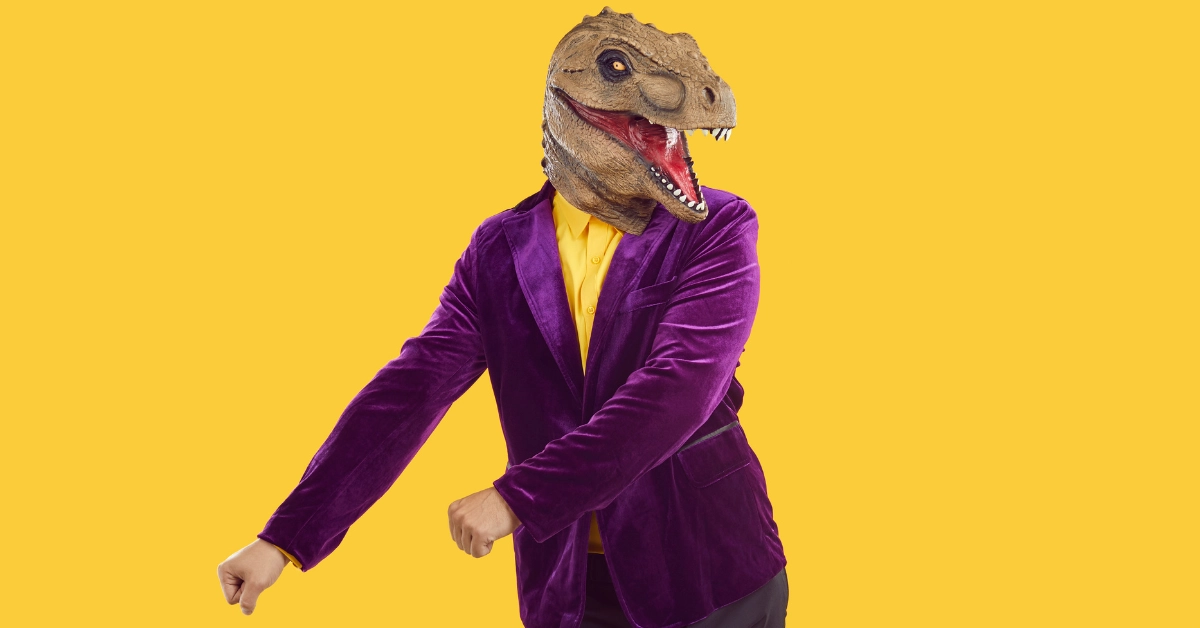
This brain break demonstrates their approach beautifully. While children are laughing at the absurd image of a dinosaur doing the polka, they’re simultaneously building neural pathways, strengthening muscles, practicing literacy skills, and learning to follow multi-step directions.
Quick Tips for Maximum Engagement
- Model the movements enthusiastically the first few times
- Encourage children to make their movements as big and silly as possible
- Don’t worry about perfect execution—joy and effort matter more than precision
- Play the song regularly so children can master the sequence
- Celebrate when kids remember all the movements in order
Brain breaks aren’t just fun interruptions to the day. They’re essential tools that help young children regulate their energy, refocus their attention, and develop crucial physical and cognitive skills. “Have You Ever Seen A Dinosaur Doing A Polka?” delivers all these benefits wrapped in pure, silly joy.