Quick Weeknight Dinners for Families with Preschoolers
Between work deadlines, preschool pickups, and the inevitable meltdown over mismatched socks, getting dinner on the table can feel like an Olympic sport. If you’re juggling life with a preschooler, you know that dinnertime often comes with its own special challenges: picky eaters, short attention spans, and energy levels that seem to drain the moment you step into the kitchen.
The good news? Quick weeknight dinners for preschoolers don’t have to mean sacrificing nutrition or your sanity. With the right strategies and a collection of go-to recipes, you can serve meals that satisfy little taste buds while keeping prep time minimal. This guide will walk you through practical solutions, time-saving tips, and delicious recipe ideas that work for real families with real schedules.
Understanding Preschooler Eating Habits
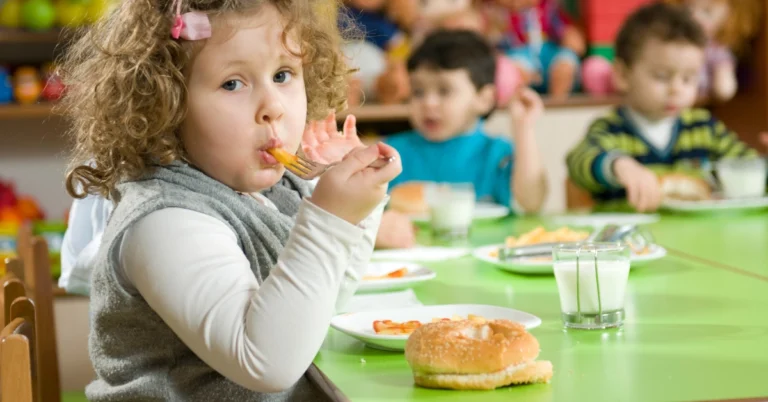
Before diving into recipes, it helps to understand what makes preschoolers tick at the dinner table. Children aged three to five are developing their independence and preferences, which means they’re more likely to have strong opinions about what lands on their plate. Their stomachs are small, roughly the size of their fist, so they need nutrient-dense foods in appropriate portions rather than large servings.
Preschoolers also tend to prefer foods they can recognize and identify. A casserole with mysterious ingredients might get rejected, while the same ingredients served separately could be a hit. Their taste preferences lean toward mild flavors, and they often respond better to interactive meals where they can dip, build, or choose components themselves.
Don’t miss out! Be sure to subscribe to The Zinghoppers YouTube channel and Conductor Jack’s YouTube channel!
Key Principles for Successful Quick Weeknight Dinners
Creating quick weeknight dinners for preschoolers becomes easier when you follow a few core principles. First, aim for meals that come together in 30 minutes or less, which keeps you from spending your entire evening in the kitchen. Second, include at least one familiar element on the plate so your child has something they feel confident eating. Third, involve your preschooler in age-appropriate ways, whether that’s washing vegetables, stirring ingredients, or setting the table. This involvement often increases their willingness to try the final dish.
Balance is important but doesn’t need to be complicated. Each meal should ideally include a protein source, a carbohydrate for energy, and at least one fruit or vegetable. However, if dinner falls short, remember that nutritional balance happens over days and weeks, not within a single meal.
Time-Saving Strategies for Busy Parents
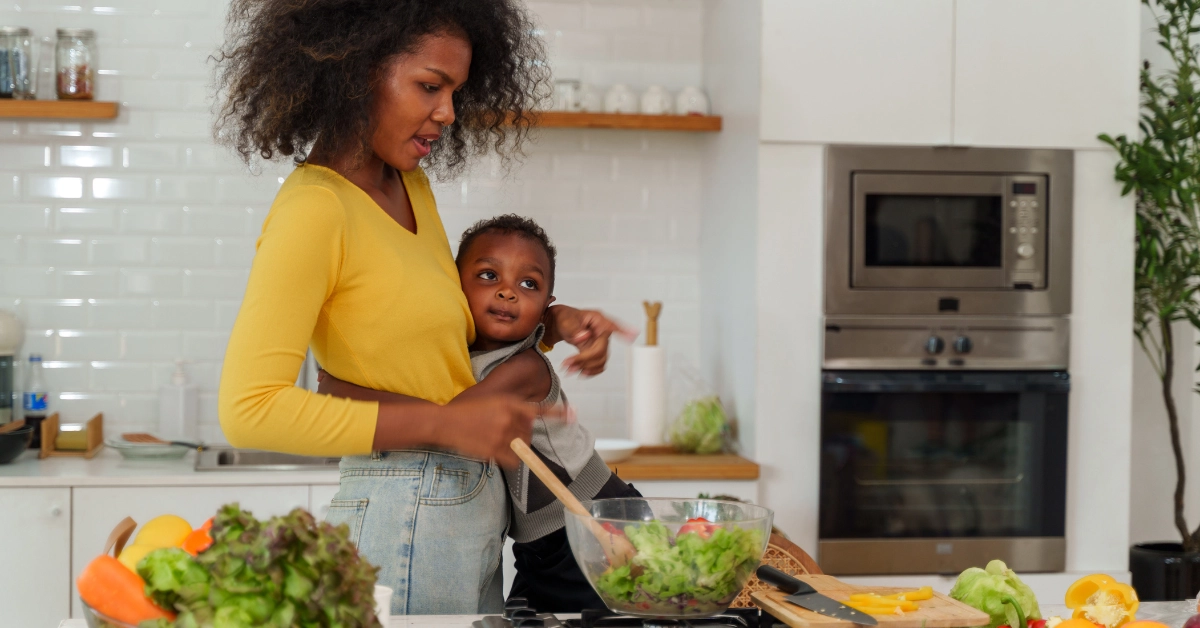
The secret to consistently getting quick weeknight dinners on the table lies in smart preparation. Batch cooking proteins on weekends gives you a head start. Grill several chicken breasts, cook a pound of ground beef, or bake a whole chicken that can be shredded and used throughout the week. Store these in portion-sized containers for easy access.
Keep your pantry stocked with versatile staples like pasta, rice, canned beans, tomato sauce, and broth. A well-stocked freezer with frozen vegetables, pre-cooked grains, and proteins means you always have backup options. Pre-cut vegetables from the grocery store cost slightly more but can save precious minutes when time is tight.
Consider doing a simple meal prep session once a week. Wash and chop vegetables, portion out snacks, and prepare any marinades or sauces. These small steps compound into significant time savings during the hectic weeknight rush.
10 Quick Weeknight Dinner Ideas for Families with Preschoolers
1. Build-Your-Own Taco Night
Set out soft flour tortillas or hard taco shells alongside bowls of seasoned ground turkey or beef, shredded cheese, diced tomatoes, shredded lettuce, and sour cream. Preschoolers love the autonomy of building their own tacos, and you can sneak in nutrition with beans and mild salsa. Prep time is minimal since most ingredients require simple chopping, and the interactive nature keeps little ones engaged.
2. Sheet Pan Chicken and Vegetables
Toss chicken tenders with baby potatoes and broccoli florets in olive oil, season with salt and garlic powder, then roast everything on one pan for 20 to 25 minutes. This dinner requires almost no cleanup, and you can adjust the vegetable choices based on what your preschooler currently accepts. Serve with a simple dipping sauce like honey mustard or ranch to make vegetables more appealing.
3. Quick Quesadillas with Hidden Veggies
Spread refried beans on a whole wheat tortilla, add shredded cheese and finely chopped bell peppers or spinach, then fold and cook in a skillet until golden. The melted cheese masks the vegetables while adding nutrition. Cut into triangles and serve with guacamole or mild salsa. From start to finish, this meal takes about 15 minutes.
4. Pasta with Turkey Meatballs
Use store-bought or frozen meatballs to cut down on prep time. While pasta cooks, heat the meatballs in marinara sauce. Preschoolers typically enjoy pasta, and you can serve raw veggies with ranch dip on the side for those who resist cooked vegetables. For added nutrition, choose whole grain pasta or try blending white beans into the marinara sauce.
5. Breakfast for Dinner
Scrambled eggs, whole grain toast, and fruit salad make a nutritionally complete meal that comes together in under 20 minutes. Add turkey sausage or Canadian bacon for extra protein. Preschoolers often find breakfast foods comforting, and this option works well when you’re truly pressed for time or have limited groceries on hand.
6. Simple Chicken Fried Rice
Use leftover rice or microwaveable rice packets along with frozen mixed vegetables, scrambled eggs, and diced cooked chicken. Everything cooks in one large skillet with a bit of soy sauce. This meal uses up leftovers efficiently and provides a complete nutritional profile. The individual pieces of rice and vegetables are less intimidating to preschoolers than mixed casseroles.
7. Mini Pita Pizzas
Give each family member a whole wheat pita, then set out pizza sauce, shredded mozzarella, and toppings like pepperoni, olives, or diced bell peppers. Let your preschooler create their own pizza, then bake on a sheet pan for 10 minutes. This approach gives children control while ensuring they’ll eat what they’ve made.
8. Slow Cooker Pulled Chicken Sandwiches
While technically this requires morning prep, throwing chicken breasts and barbecue sauce into a slow cooker takes only five minutes. By dinnertime, you have tender pulled chicken ready to serve on buns with coleslaw and sweet potato fries. This strategy works particularly well for parents who can spare a few minutes before work.
9. Simple Stir-Fry with Teriyaki Chicken
Cut chicken into bite-sized pieces and cook with pre-cut stir-fry vegetables in a large pan. Add bottled teriyaki sauce and serve over quick-cooking rice or noodles. The entire meal comes together in about 25 minutes, and the slightly sweet teriyaki flavor appeals to young palates. Let your preschooler help pour the sauce for involvement.
10. Tortellini Soup
Combine store-bought broth, frozen cheese tortellini, a can of diced tomatoes, and fresh spinach in a pot. Simmer for 10 to 15 minutes until the tortellini is tender. This warm, comforting soup requires minimal chopping and provides protein, carbohydrates, and vegetables in one bowl. Serve with crusty bread for dipping.
Making Vegetables More Appealing
Getting preschoolers to eat vegetables often feels like the biggest dinnertime challenge. Rather than forcing the issue, try offering vegetables in different formats. Raw carrots, cucumbers, and bell peppers with a favorite dip often get better reception than cooked versions. Roasting vegetables brings out natural sweetness that appeals to young taste buds better than steaming or boiling.
Shape matters more than you might think. Use cookie cutters to create fun shapes from cucumber slices or bell peppers. Serve vegetables on toothpicks or small skewers to make them more playful. Sometimes simply calling broccoli “little trees” or presenting vegetables as “dinosaur food” can shift a preschooler’s perspective.
Remember that repeated exposure matters more than immediate acceptance. Research suggests children may need to see a food 10 to 15 times before they’re willing to try it. Keep offering vegetables without pressure, and model eating them yourself. Your preschooler is watching and learning from your habits.
Handling the Picky Eater
Nearly all preschoolers go through phases of picky eating, and it’s a normal part of development. The key is not to turn meals into battlegrounds. Offer new foods alongside familiar favorites so there’s always something your child feels comfortable eating. Avoid preparing separate meals, which sets a precedent that’s hard to break, but ensure each meal includes at least one item you know your child will accept.
Give preschoolers controlled choices rather than complete control. Ask whether they’d prefer broccoli or green beans, chicken or fish, rather than what they want for dinner. This gives them autonomy within boundaries you’ve set. Serve small portions to avoid overwhelming them, and allow them to ask for more if they’re still hungry.
Never force a child to clean their plate or use dessert as a reward for eating dinner. These practices can create unhealthy relationships with food that persist into adulthood. Instead, maintain a division of responsibility where you decide what’s served and when, while your child decides whether to eat and how much.
Smart Kitchen Tools That Speed Things Up
Investing in a few key kitchen tools can dramatically reduce the time you spend preparing quick weeknight dinners for preschoolers. An Instant Pot or pressure cooker can prepare foods like rice, chicken, and beans in a fraction of the time traditional methods require. A quality blender helps you create smoothies, blend soups, and puree vegetables to hide in sauces.
Sheet pans designed for roasting make one-pan meals possible, reducing both cooking and cleanup time. A rice cooker takes the guesswork out of preparing perfect grains and keeps them warm until you’re ready to serve. Even simple tools like a good vegetable chopper or a salad spinner can shave minutes off your prep time.
For families committed to reducing nightly cooking time, a slow cooker offers unmatched convenience. Starting dinner in the morning means you walk into a house filled with delicious aromas rather than facing an empty kitchen at 6 PM.
Creating a Realistic Meal Plan
Meal planning doesn’t need to be elaborate to be effective. Start by designating themes for different nights such as Meatless Monday, Taco Tuesday, or Pasta Thursday. This framework makes planning easier since you’re working within defined categories. Keep a running list of your family’s favorite quick weeknight dinners and rotate through them rather than constantly searching for new recipes.
Plan your meals around your schedule. On nights when you have less time, choose 15-minute meals or slow cooker options. Save slightly more involved recipes for evenings when you have a bit more breathing room. Check your calendar before planning to account for activities, late meetings, or evenings when you’ll be eating out.
Involve your preschooler in age-appropriate planning. Looking at pictures in cookbooks or choosing between two options gives them investment in the meal. When children feel part of the process, they’re often more willing to try the results.
Nutrition Without the Stress
Parents often worry about whether their preschooler is getting adequate nutrition, but stressing about every meal can backfire. Focus on offering a variety of foods throughout the week rather than achieving perfect balance at every sitting. A child who eats mostly carbohydrates one day will often naturally balance it out by choosing more protein the next.
Preschoolers need smaller portions than many parents realize. A serving of protein for a preschooler might be just two tablespoons, while a vegetable serving could be as little as a quarter cup. Offering appropriate portions prevents waste and avoids overwhelming your child with too much food.
Consider having your preschooler take a daily multivitamin as insurance, but remember that whole foods should always be the primary source of nutrition. If you have serious concerns about your child’s eating habits or growth, consult with your pediatrician rather than trying to diagnose issues yourself.
Making Dinnertime Enjoyable
Beyond the food itself, the atmosphere around quick weeknight dinners matters for families with preschoolers. Turn off screens and sit down together as often as possible, even if the meal is simple. These shared moments create connection and model healthy eating behaviors. Keep conversation positive and avoid discussing stressful topics or disciplining during meals.
Let your preschooler contribute to the meal in simple ways. They can tear lettuce, arrange food on plates, or help set the table. This involvement builds life skills and increases their engagement with the meal. Praise their efforts at helping rather than their food choices to keep the focus on the experience rather than what they’re eating.
Create simple traditions that make dinnertime special without adding work. Maybe you light a candle, say a short blessing, or each share one good thing from the day. These rituals give preschoolers something to anticipate and help transition them from playtime to mealtime.
Conclusion
Preparing quick weeknight dinners for preschoolers doesn’t require culinary expertise or hours in the kitchen. With practical strategies like batch cooking, smart use of convenience items, and a repertoire of reliable 30-minute meals, you can consistently serve nutritious food that your family enjoys. Remember that perfection isn’t the goal. Some nights will go smoothly while others might involve chicken nuggets and applesauce, and both are completely fine.
The most important ingredients in any family meal are consistency and lack of stress. When you approach dinnertime with realistic expectations and focus on connection rather than culinary achievement, meals become opportunities to nourish both bodies and relationships. Start with one or two recipes from this guide, build your confidence, and gradually expand your rotation of quick weeknight dinners. Your future self and your preschooler will thank you for the investment in developing these sustainable habits that serve your family well beyond the preschool years.