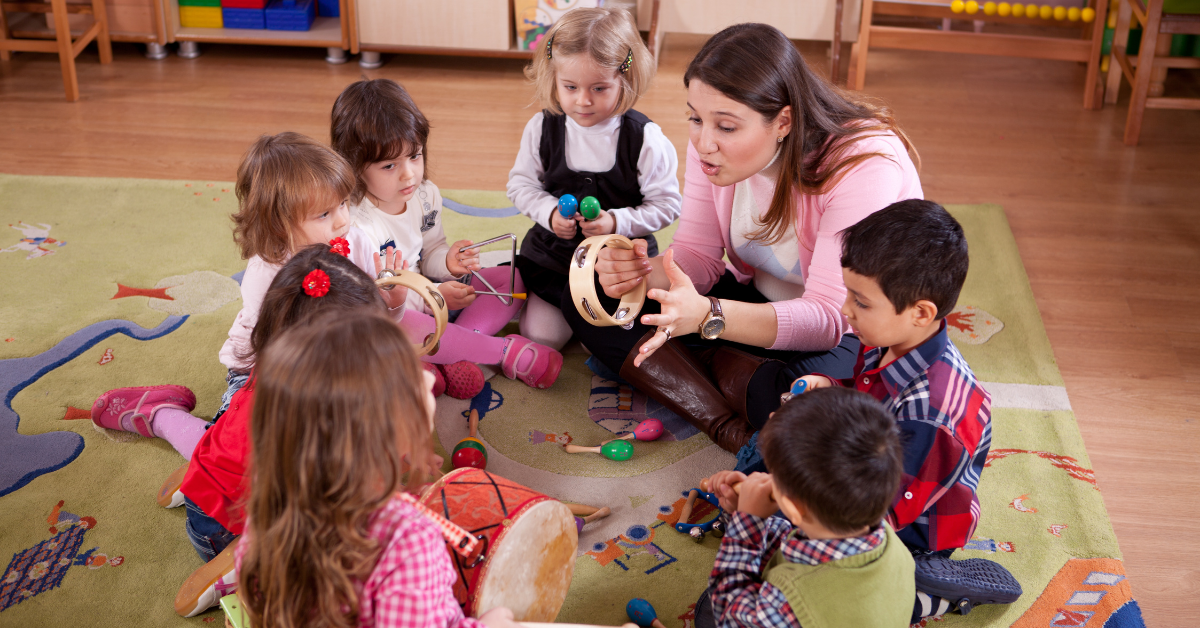
Confidence doesn’t arrive through pep talks or praise alone. For preschoolers, it grows quietly, in the middle of a block tower, a muddy puddle, or a pretend tea party. Play is how young children test what they can do, and every small success becomes proof that they are capable. The good news is that you don’t need special toys or a packed schedule. Everyday play, done with a little intention, is enough.
Why Play Builds Confidence
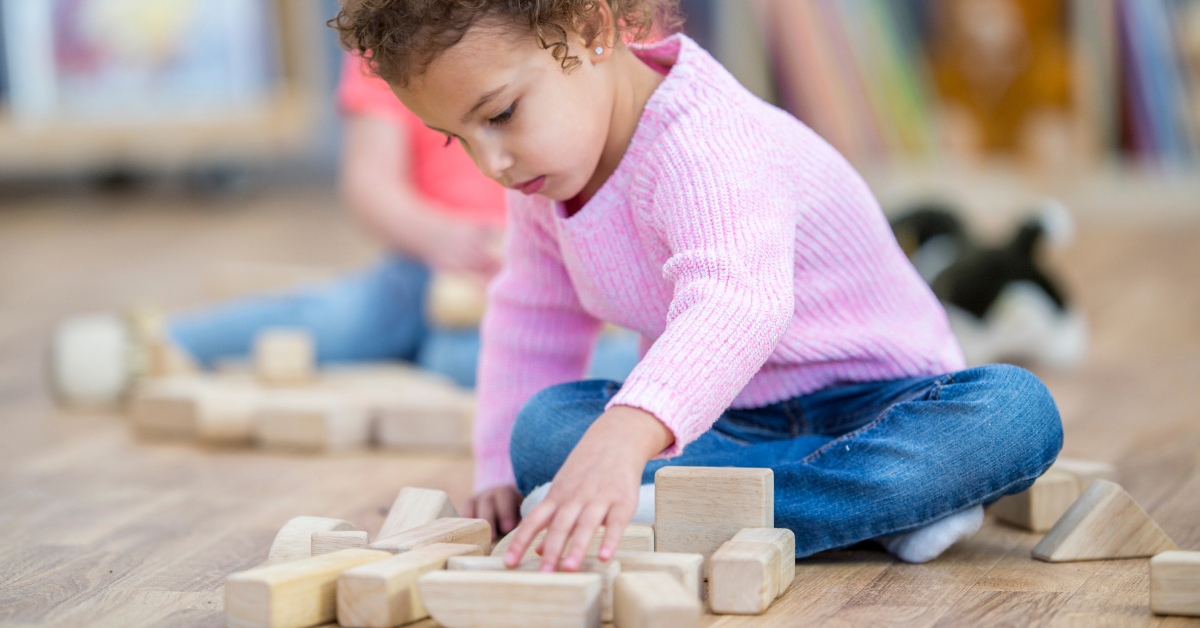
When a three- or four-year-old stacks blocks until they fall, tries again, and finally gets them to balance, they learn something no lecture could teach: I can figure things out. Play gives children a safe place to try, fail, and try again without real-world consequences. It also gives them control. In a world where adults make most of the decisions, play is where a child gets to lead.
Let Your Child Lead
One of the simplest ways to build confidence is to follow your child’s lead. If they want to turn the couch cushions into a boat, join the voyage. Resist the urge to correct the “rules” or steer the story. When children see that their ideas matter and that a grown-up takes them seriously, they start to trust their own thinking.
Try saying, “What should we do next?” or “Tell me about your plan.” These small questions send a big message: your ideas are worth hearing.
Offer Open-Ended Materials
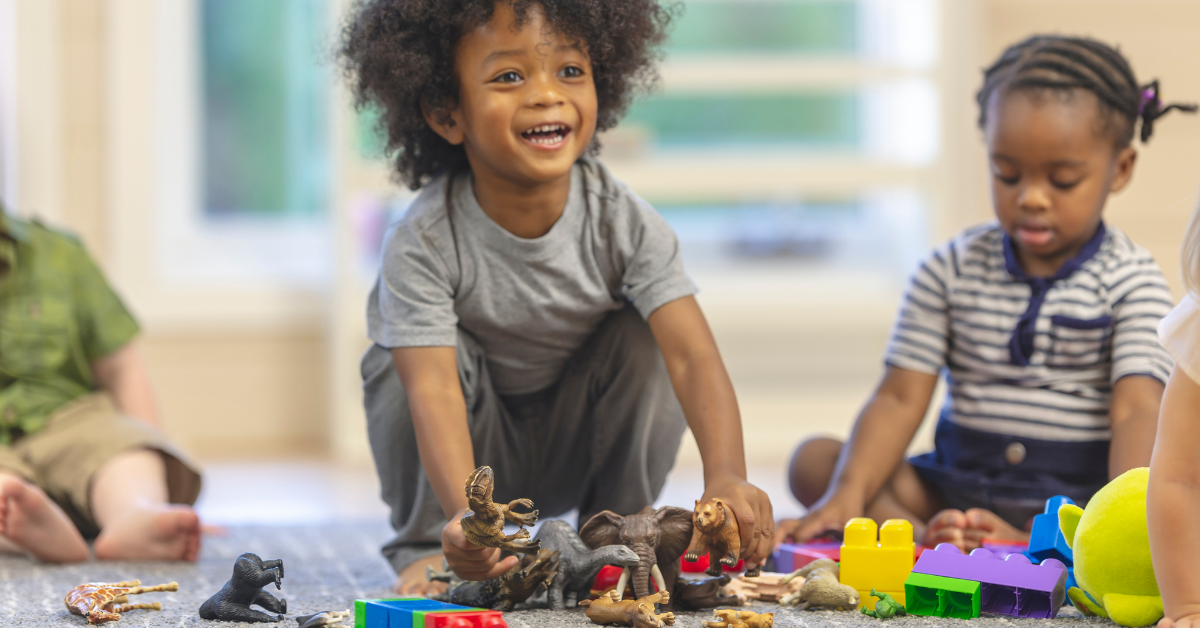
Toys that do just one thing leave little room for creativity. Open-ended materials let children decide what to make and how to make it. Good options include:
- Blocks, boxes, and cardboard tubes
- Playdough and clay
- Crayons, paper, and washable paint
- Sand, water, and scoops
- Dress-up clothes and simple props
With no “right” way to use them, there’s no way to get it wrong. That freedom is a powerful confidence builder.
Let Them Struggle (A Little)
It’s tempting to jump in the moment your child gets frustrated with a puzzle or a zipper. But a little struggle is where growth happens. Instead of solving the problem, offer a hint or a word of encouragement: “Try turning the piece around,” or “You’re working so hard on that.”
When your child finally succeeds on their own, the pride is real, and it belongs entirely to them.
Praise Effort, Not Just Results
“You’re so smart” is nice to hear, but it can make children afraid to try anything they might fail at. Praising effort and process builds a sturdier kind of confidence. Try:
- “You kept trying even when it was tricky.”
- “I love the colors you picked.”
- “You figured out a new way to do that.”
This teaches children that ability grows with practice, which is a lesson that lasts well beyond the preschool years.
Encourage Pretend Play
Pretend play lets children try on different roles: doctor, chef, firefighter, parent. They practice making decisions, solving problems, and expressing feelings. Playing the “expert” in a make-believe world helps a child feel capable in the real one. Join in when invited, and let them be the boss for a while.
Give Them Real Responsibilities
Confidence also grows when children feel useful. Everyday tasks can feel like play when you keep them simple and low-pressure:
- Watering plants
- Setting out napkins at dinner
- Sorting laundry by color
- Helping stir pancake batter
Children who contribute to the family feel like they belong and that they matter.
Get Outside and Take Small Risks
Climbing a low branch, balancing on a curb, or racing across the yard teaches children to trust their bodies. Outdoor play offers just the right amount of challenge. Stay close, but give them room to try. Each small risk they take, and survive, adds to their sense of capability.
Make Room for Mistakes
Spilled juice, wobbly drawings, and collapsed towers are all part of learning. How you respond matters. A calm “That’s okay, let’s try again” shows your child that mistakes are normal and nothing to fear. When children aren’t afraid of getting things wrong, they’re far more willing to try new things.
Keep It Simple
You don’t need a perfect playroom or hours of free time. Ten or fifteen minutes of focused, screen-free play each day can make a real difference. Get down on the floor, put your phone away, and let your child show you their world.
Final Thoughts
Confidence in preschoolers is built one small moment at a time: a tower that finally stands, a story they invented, a task they finished on their own. By following their lead, offering open-ended materials, praising effort, and letting them struggle just a little, you give your child the tools to believe in themselves. Everyday play is more than fun. It’s the foundation of a confident, curious, resilient child.